
02/09/2026
North Queensland beef producer Michelle Lyons is on a mission to bridge the gap between food producers and the public through immersive, educational experiences.
Ms Lyons, who has recently returned from overseas travel as part of a Nuffield scholarship, set out to investigate ways that immersive educational experiences on farm can enhance the social licence of red meat production.
Ms Lyons’ research is funded via a partnership between Rabobank and The Northern Pastoral Scholarship (AACo, CPC, Elders and S.Kidman).
As part of her research, Ms Lyons is examining successful models that connect farmers, educators and students through hands-on experiences, with a particular interest in experiences that occur on-farm where the primary producer takes the “lead role” in interacting with students.
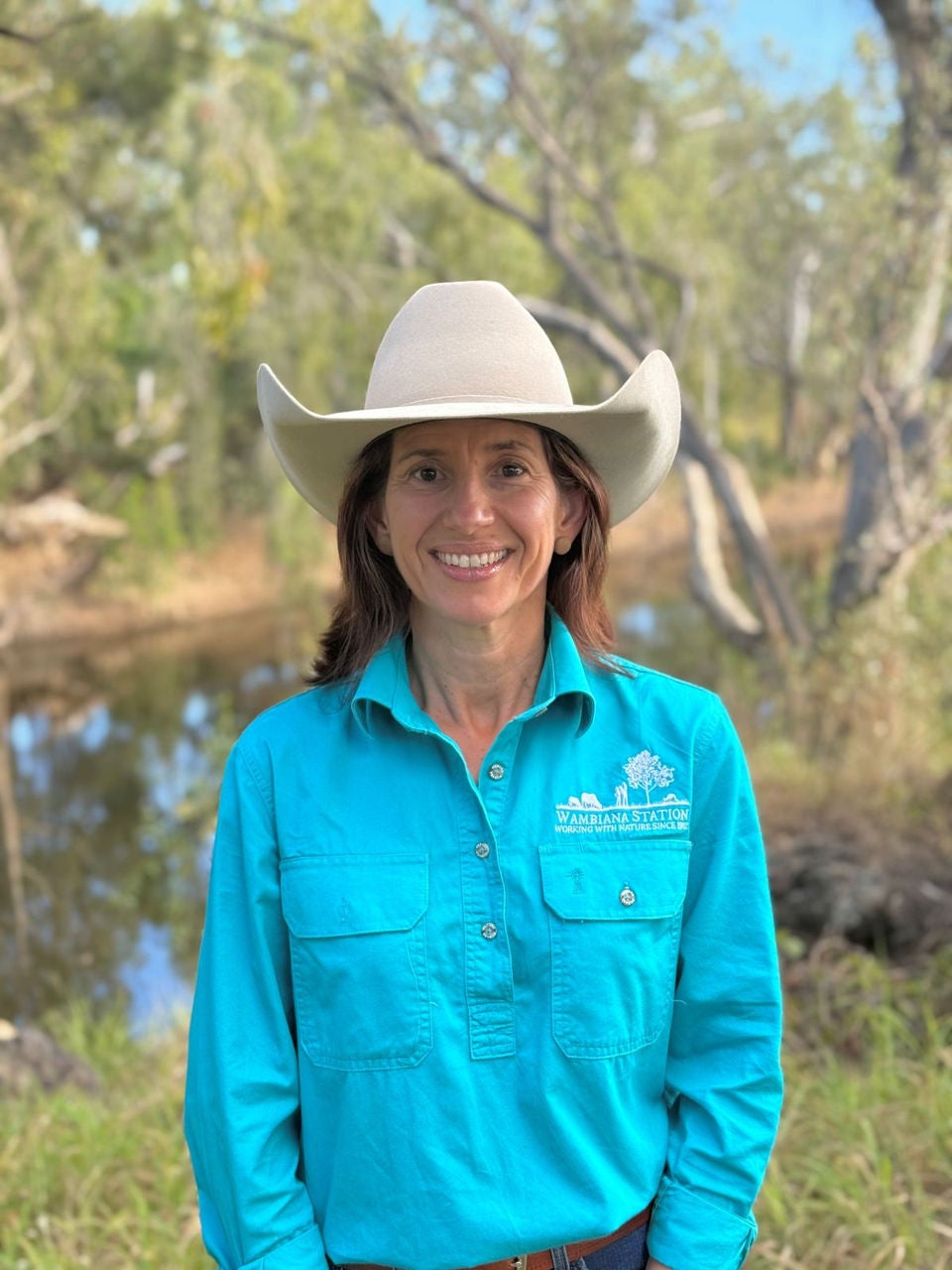
North Queensland beef producer and Nuffield scholar Michelle Lyons.
“My research was inspired by a simple idea,” Ms Lyons said, “if people can experience agriculture first-hand, develop some connection to the people who produce food, then perhaps they can develop a deeper understanding of where their food comes from and the realities of modern farming.”
After completing the first stage of her scholarship –, which included the Nuffield Contemporary Scholars Conference in Japan and individual study travel through the Netherlands, Ireland and the United Kingdom – Ms Lyons said the experience had reinforced her belief that direct farm-based experiences can play a critical role in building understanding and trust between consumers and agricultural producers. “The students of today are the consumers of the future,” she said.
Among her key findings has been the importance of strong partnerships that make it easier for schools and farmers to engage with one another.
“Through my travels, I’ve seen innovative programs where students spend regular periods of time on farms throughout the year, combining traditional subjects such as maths and science with hands-on learning in a real-world environment,” she said.
“What I’m hoping to understand is how these programs operate, who supports them, what challenges they face and what lessons Australia can take from successful models overseas.
“My long-term vision is to assist in the development of programs whereby every student in Australia has the opportunity to visit a farm during their educational journey and experience first-hand how food is produced.”
Ms Lyons said her research is really about forming connections between farming and non-farming communities, building trust and helping young people understand food production, natural resource management and the important role agriculture plays in everyday life.
“The more I learn, the more I see the potential for farms to become valuable places of learning that deliver benefits extending well beyond agricultural education,” she said.
“Internationally, I’ve seen examples of programs that have operated successfully for many years because schools, communities and producers have worked together to recognise the value of learning on farms.
“A key question for Australia is how we can create pathways that make it easier for schools and producers to connect, so more students can access meaningful on-farm experiences.
“I believe there may be long-term benefits for students that we are only beginning to understand, and that’s one of the most exciting aspects of this research.”
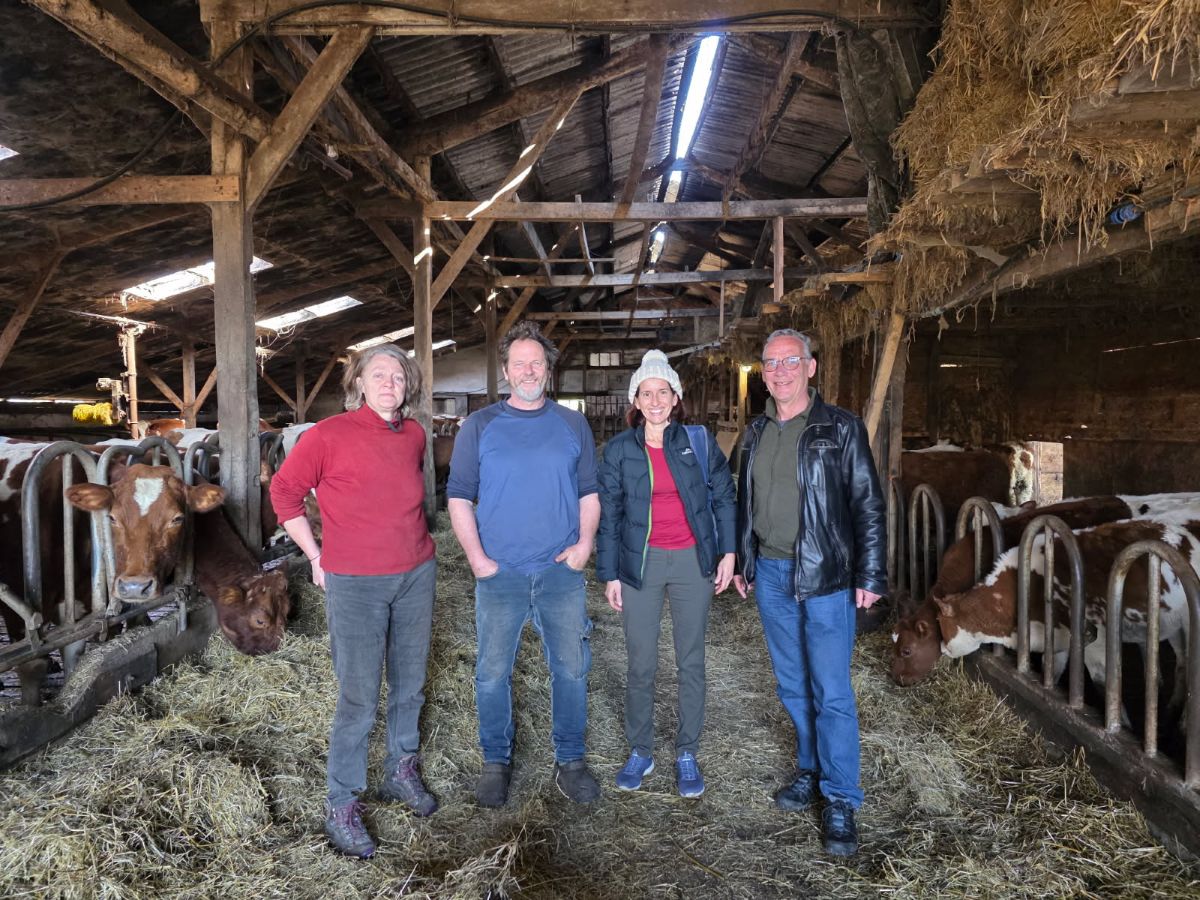
Michelle Lyons meeting with farmers and the founder of Boerderijschool, in the Netherlands.
In the Netherlands, Ms Lyons observed a well-developed national network of farmers who voluntarily host students on their properties, supported by organisations that match schools with farms and provide educational resources. She also explored innovative programs designed specifically for children who learn best through active, outdoor experiences.
“One of the strongest messages from the Netherlands was that farmers are incredibly willing to share their stories and open their gates when the right support structures are in place,” she said.
“The value of having dedicated organisations that connect schools and farms cannot be understated.”
In Ireland, Ms Lyons studied a diverse range of educational initiatives, including school visits to model farms and programs that use the farming environment to support wellbeing and community connection.
During her time in Scotland and England, Ms Lyons examined several programs helping connect students directly with farmers, including Scotland’s Royal Highland Education Trust and the UK-based Farmer Time initiative, which links classrooms and farmers through live video lessons aligned with curriculum outcomes.
She said one of the most consistent findings across all countries visited was the importance of building long-term relationships between schools and agricultural producers.
“The most successful programs weren’t one-off visits,” Ms Lyons said.
“They created ongoing connections between students, teachers and farmers, making agriculture relevant to what students are learning and helping build understanding over time.”
The Nuffield scholarship is building on more than two decades of experience hosting student groups at Wambiana Station, near Charters Towers, where Ms Lyons and her family have welcomed thousands of visitors from Australia and overseas to experience life on a working cattle property.
As co-owner of Lyons Family Grazing, Ms Lyons and her husband Michael manage a 6000-head beef cattle operation across several properties in northern Queensland, including Wambiana Station.
“For more than 20 years, we’ve welcomed school and university groups onto our property, and I’ve consistently seen the positive impact those experiences can have on young people, their teachers and their families,” Ms Lyons said.
“A farm offers a learning environment that is completely different from a classroom. Students who may not always thrive in a traditional setting often become highly engaged when they are learning outdoors and participating in practical activities.
“While building trust and understanding of agriculture is an important outcome, I’ve become increasingly interested in the broader educational and wellbeing benefits that farm-based learning experiences can provide for children.
“Through Nuffield I intend to explore avenues to allow every primary school student the opportunity to visit a farm several times in their educational journey and link this not only to the curriculum but also to their broader life experiences. Helping make this a reality is my ultimate goal.”
Over the next 12 months, Ms Lyons will continue engaging with Australian organisations involved in agricultural education and social licence initiatives, while preparing for the next stage of her Nuffield journey. This will include the Nuffield Global Focus Program, taking in destinations across Asia, Europe and South America, before further individual study travel in Canada and the USA.
Rabobank group executive for Country Banking Australia Marcel van Doremaele said the bank was proud to support scholars whose research addressed challenges and opportunities facing Australian agriculture.
“Michelle’s work is exploring new ways to strengthen understanding of agriculture and connect communities with food and fibre production,” Mr van Doremaele said. “These are important conversations for the future of Australian agriculture, and we are pleased to support her through the Nuffield Scholarship program.
“Rabobank has been a long-standing supporter of the Nuffield Scholarship program in Australia, recognising the role it plays in developing industry leaders and fostering innovation, knowledge-sharing and global connections across the agricultural sector.
“Through its continued sponsorship, the bank helps provide Australian producers with opportunities to investigate important industry issues and bring valuable insights back to their communities and industries.”
Rabobank Australia & New Zealand Group is a part of the international Rabobank Group, the world’s leading specialist in food and agribusiness banking. Rabobank has more than 125 years’ experience providing customised banking and finance solutions to businesses involved in all aspects of food and agribusiness. Rabobank is structured as a cooperative and operates in 35 countries, servicing the needs of more than nine million clients worldwide through a network of more than 1000 offices and branches. Rabobank Australia & New Zealand Group is one of Australasia’s leading agricultural lenders and a significant provider of business and corporate banking and financial services to the region’s food and agribusiness sector. The bank has 87 branches throughout Australia and New Zealand.
Media Contacts:
Denise Shaw
Head of Media Relations
Rabobank Australia & New Zealand
Phone: 02 8115 2744 or 0439 603 525
Email: denise.shaw@rabobank.com
Will Banks
Media Relations Manager
Rabobank Australia
Phone: 0418 216 103
Email: will.banks@rabobank.com