
Posted by on
30/01/2026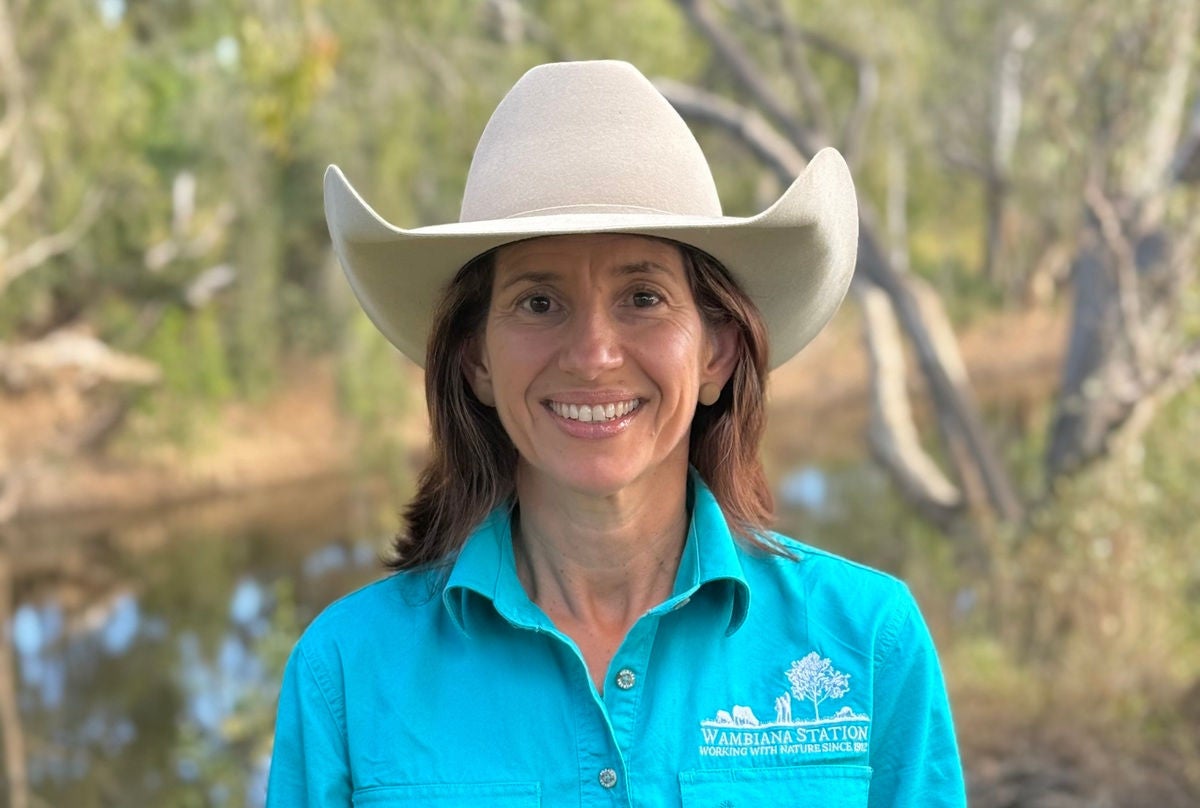
Michelle Lyons is looking forward to gaining global insights into agri-education and edutourism through her Nuffield Scholarship.
There’s a wonder and awe each time a city-based student steps on farm for the first time, and Charters Towers’ Michelle Lyons believes it could be one of the most valuable tools that Australian producers have in building trust and bridging the urban and rural gap.
Michelle and husband Michael run Lyons Family Grazing, a 7,000 head North Queensland beef cattle enterprise producing bulls for Northern clients and cattle to live export and meatworks.
Promoting the red meat industry by providing opportunities for young people, particularly those from urban areas, to visit a working cattle station has been a long-held passion of Michelle’s – and one that has now gained this can-do mother of four a coveted 2026 Nuffield Scholarship, sponsored by Rabobank.
For the past 33 years the family has operated an edutourism venture on their property, “Wambiana Station”, hosting hundreds of students and guests annually both from Australia and abroad, aiming to connect consumers with agriculture.
The feedback has been heartening, and it’s a concept Michelle now hopes to scale across rural Australia with the help of a Nuffield scholarship.
“To us, “Wambiana” represents our day-to-day norm, it doesn’t seem like anything special, yet for someone who has never stepped onto a cattle station it’s intriguing – they’re out in nature, meeting people, learning new skills, and immersing themselves in a way of life so completely different to their own.”
It’s an experience, Michelle suggests, that stays with visitors for life, and one she hopes may help dispel negative assumptions around red meat production, help teachers and students engage in rural industries, and perhaps even inspire young people into an ag career.
Michelle’s in-laws, John and Ronda, started hosting high school students from USA in 1993, having been approached by a tour company.
At the time, she explains, they were in the midst of a severe drought and cashflow was tight, however, the family remained open to new ideas and opportunities.
“They could see that such a venture might allow them to value-add to their business, as well as provide benefits for both guests and the broader industry. Little did they know that it would continue to grow and evolve over 30 years.”
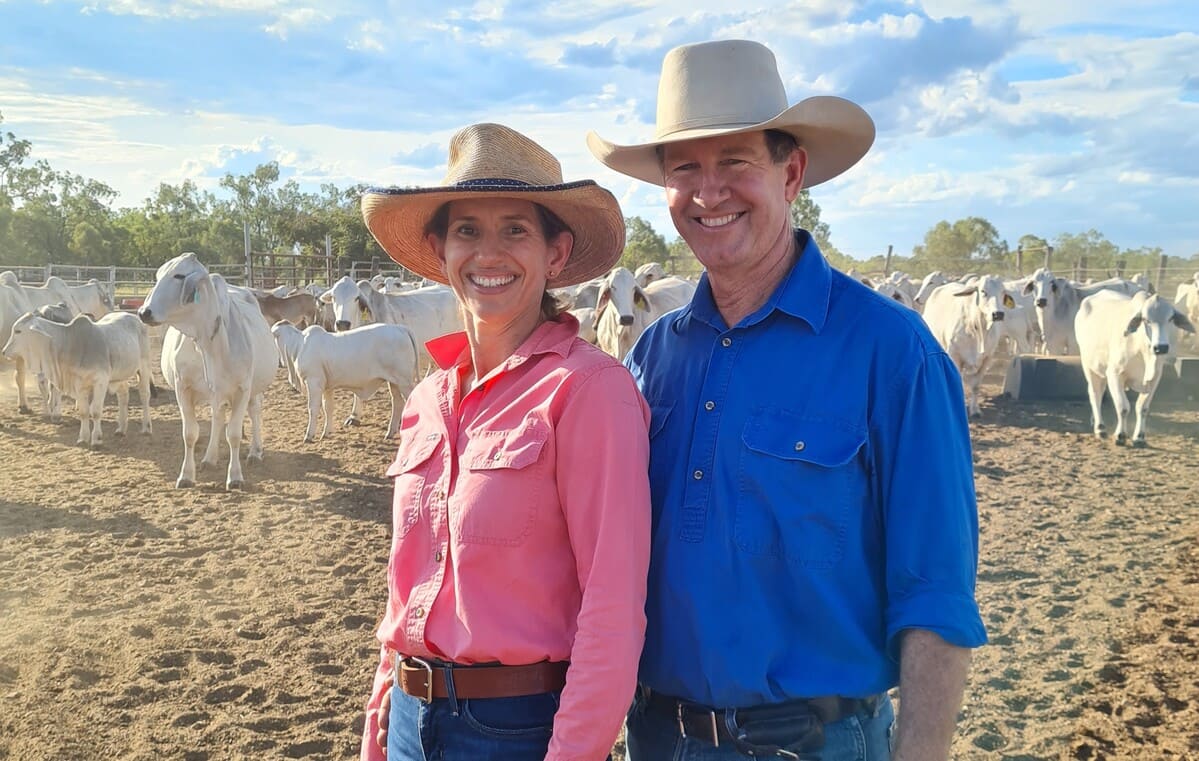
Michelle and Michael are passionate North Queensland beef producers.
In 2002, Michelle and Michael moved to “Wambiana”, gradually taking over the management of the cattle and the edutourism business.
In 2008, Michelle commenced teaching their own children through Distance Education, and over the course of 14 years in this role, having tutored all four children from Prep to Grade six, it became evident that there was virtually no material in the Queensland Education primary curriculum that covered food production.
One particular moment that stood out was during a Science lesson focussed on explaining the concept of environmental sustainability.
“At the end of the lesson plan, it described five key ways that students could “look after the environment,” and number five on that list was ‘eat less red meat’.
“There was zero explanation or context behind this reasoning, it didn’t relate to anything else they had been learning in the lesson, yet it was put forward as a “fact” to every child in Queensland undertaking that lesson.”
“It set a fire off in my belly, and I realised that for so many Australian students with no connection to agriculture, you don’t know what you don’t know, so it would be easy for people to regard red meat as the enemy when they are being “taught” that information.
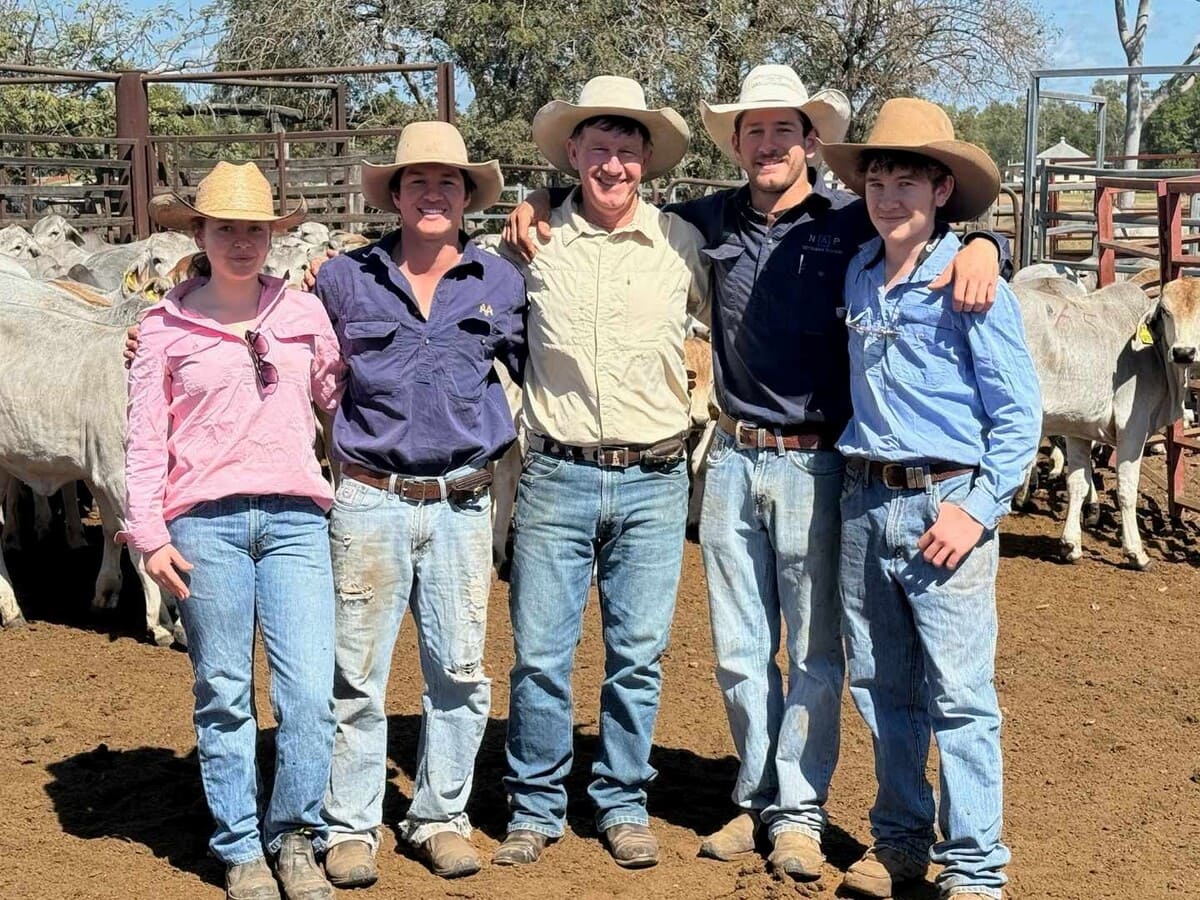
Sophia, Thomas, Michael, Connor, and Hugh Lyons in the yards.
“It really reinforced how important it was to continue sharing what we do with student groups through building knowledge and trust for our industry.”
Today, their programs attract school groups from across the country, and globe, with the curated experience providing a unique and authentic, hands-on farm stay offering.
“From pregnancy testing and branding cattle, to milking a cow and drinking the fresh milk, to wildlife spotting and educating on the importance of distance education or the Royal Flying Doctors Service, we aim to give visitors a chance to learn new skills and gain an insight into what it means to live and work on a cattle property in Northern Australia."
A global study opportunity thanks to Nuffield Australia
Having seen first-hand the positive impact of the program, Michelle will use her Nuffield Scholarship to explore the possibility of building the concept on a national level through her study topic “Enhancing the Social Licence of Red Meat, through Immersive, Educational Experiences.”
“Through Nuffield I intend to research what other farm-to-school programs do internationally and explore ideas and concepts that may allow every primary school student the opportunity to visit the farm of a red meat producer, and link this to curriculum – this is my ultimate goal.”
She will also leverage her Nuffield opportunity to collaborate with industry, producers, government and schools to increase the uptake of curriculum-ready resources relating to red meat production, into schools, and expand on existing programs to link farmers directly with students.
“I’d also love to research ways to upskill, support and empower primary producers to become "educators on their own farms", providing a deeper connection between urban and rural communities through on-farm experiences and building the financial resilience for primary producers by providing an alternative income source.”
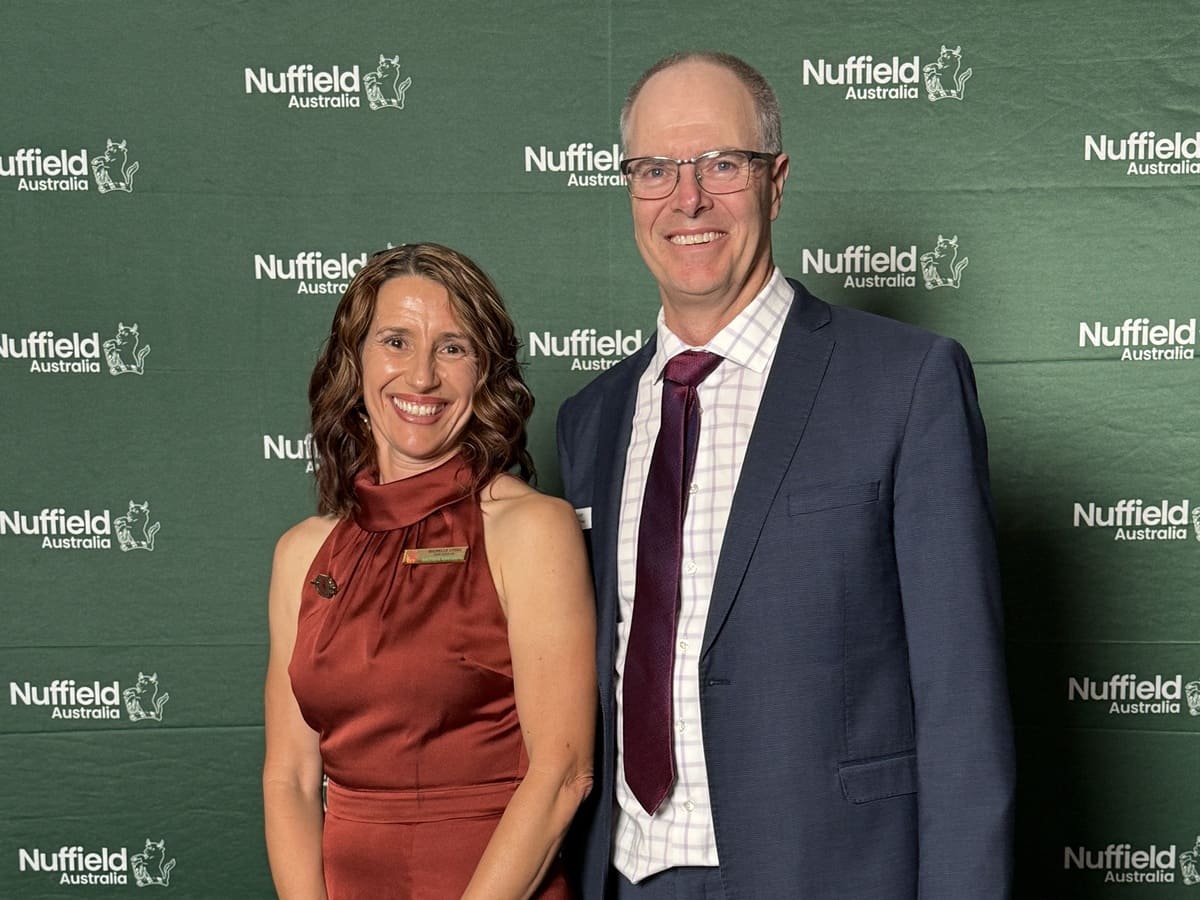
Michelle and Rabobank’s Roger Matthews at the recent Nuffield Conference.
Ultimately, Michelle hopes to explore ways in which she may contribute to creating a stronger social licence for graziers, linking this to education and experiences, and encourage other producers to be involved too.
“In the red meat industry we have a unique set of challenges,” Michelle says. “We need to be able to defend the industry with facts and contradict groups claiming that red meat is “bad” for health and the environment.”
“At the same time, we need to continually improve our practices to demonstrate that we are responsible custodians of the environment, care for our livestock and ultimately, continually build trust in the broader community for what we do and how we do it. If we can build this trust with the non-farming community then perhaps they too can challenge some of the misconceptions around red meat and help strengthen the industry as something that is valued, wanted and needed, now and into the future. Essentially, we need to be more proactive, rather than reactive.”
Currently in the preparation phase of her Nuffield experience, Michelle is hoping to connect with producers and schools nationally and internationally that run successful farm-to-school ventures, visiting England, Scotland, Ireland, Netherlands, Canada and the US as part of her study tour.
“In the UK I’ve heard of classrooms built on farms, and these are the sort of initiatives I’ll be exploring – are there elements of these successful programs we can adopt here in Australia given variables such as our insurance landscape, vast geography, and education systems?”
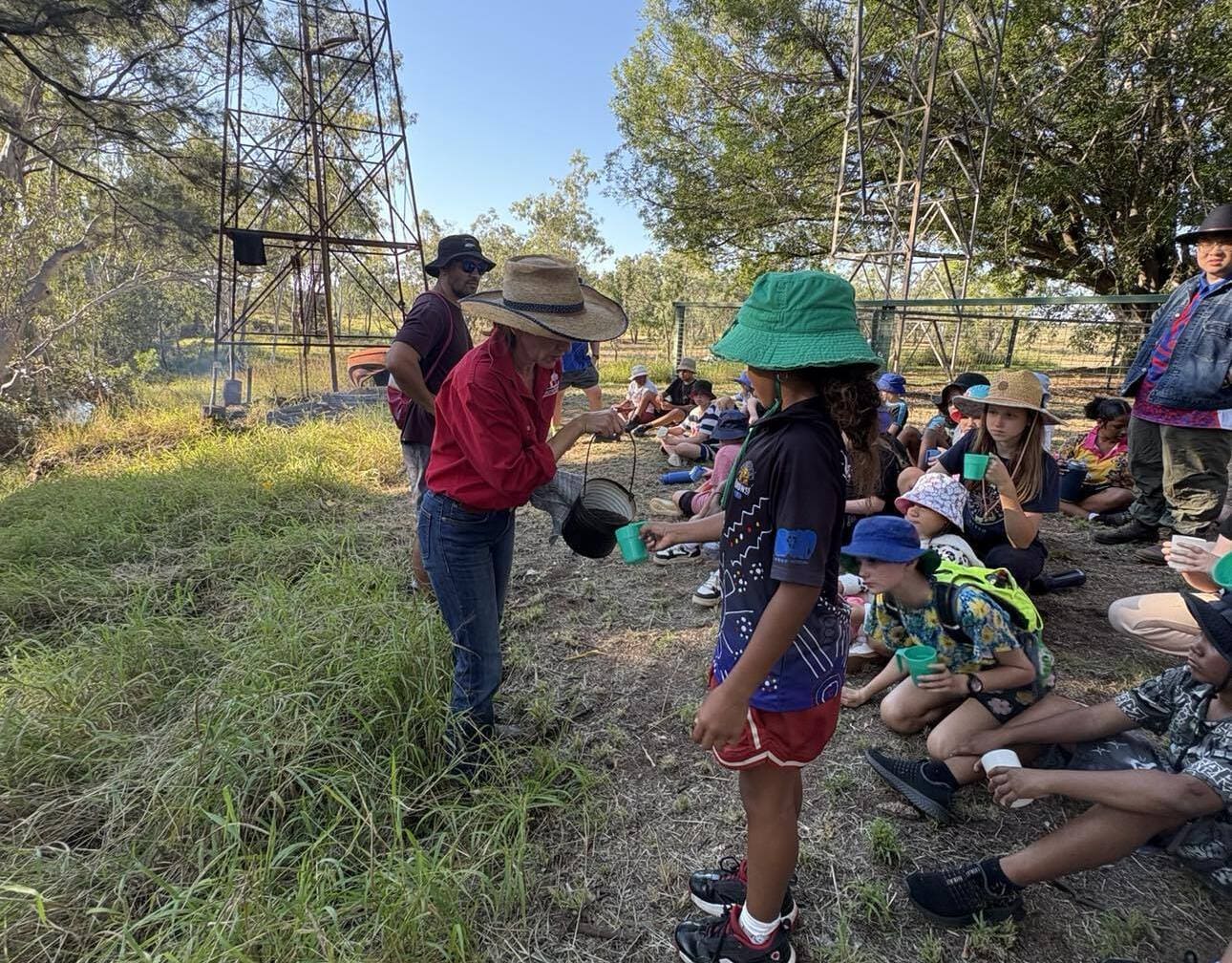
Michelle sharing ‘billy tea’ with a school group on-farm, helping educate and build awareness around rural life and industries.
“I’ll be making contact with the Department of Education and Department of Industry and Agriculture, and gather a genuine think tank of people who can help guide and introduce me to the right people – and together the goal is to transfer these efforts into government action in regards to State-based curriculum.”
With her scholarship sponsored by Rabobank, Michelle says the support of the agribusiness specialist is a huge privilege.
“Rabobank has such a strong presence in rural Australia, and I know that the Rabo Client Council has initiated similar programs such as the Student Farm Experience and Teacher Farm Experience over the years – it’s reassuring that our values are so closely aligned.”
“The global footprint of Rabobank will also be incredibly beneficial, and I’m looking forward to tapping into the bank’s contacts in the red meat landscape across the world.
“There are not many organisations that operate actively at a grass-roots community level, as well as globally, and having Rabobank’s support is really exciting.”
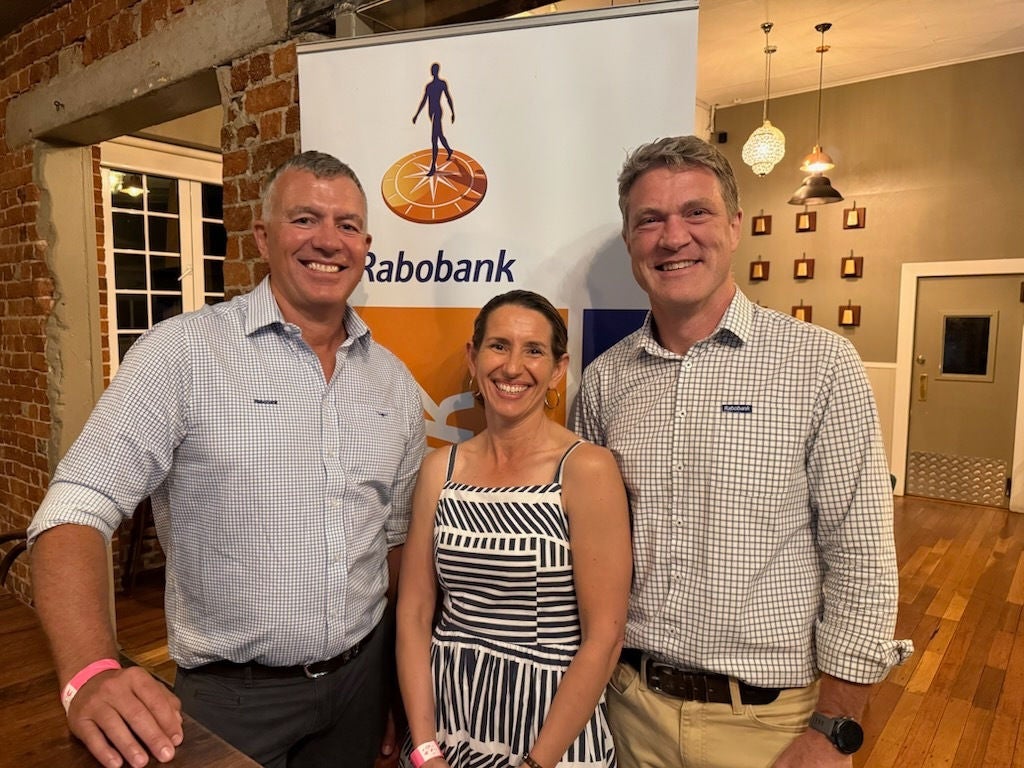
Rabobank Townsville Rural Manager, Justin Spinks, with Michelle, and RaboResearch Animal Protein Senior Analyst Angus Gidley-Baird at a recent Rabobank event in Charters Towers.
Gaining her own education in red meat
Michelle grew up on an Ingham cane farm a world away from the northern cattle industry, and while the industries are vastly different, she smiles that the synergies of work ethic, space and family were familiar.
It was at The University of Queensland where this occupational therapy student met her ag science student beau, and she laughs that before this encounter “I don’t think I even knew any graziers!”
The young couple lived and worked across Queensland and overseas before the opportunity to join the Lyons family’s historic intergenerational beef business arose.
“We had only been married for a couple of years and I was expecting our first child - having enjoyed all the lifestyle perks of a young, independent, professional 20-something, it did take some time to adapt to life on the station,” Michelle admits.
“Initially I found our distance from town a bit of a challenge, and it was a steep learning curve understanding the cattle business – however my in-laws, who also lived on-farm, were terrific role models.”
Today, Michelle is a hands on and strong contributor to the family business, and local community – and a passionate industry champion.
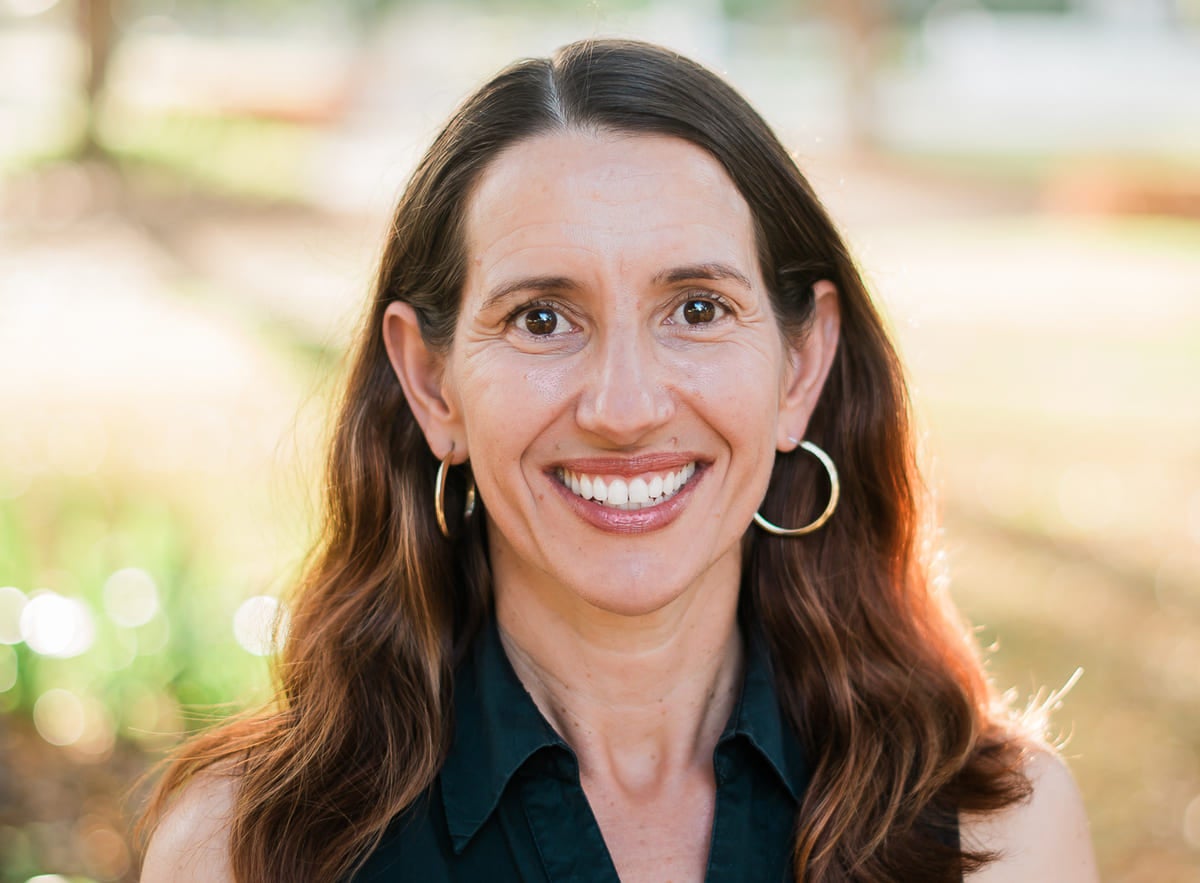
Michelle Lyons has embraced North Queensland’s industry and community with gusto.
And with the couple’s four children now young adults, Michelle’s distance education classroom efforts set a strong foundation, with Thomas, 23, completing an agribusiness degree and working at AACo, Connor, 21, studying an agribusiness degree at The University of New England, daughter Sophia, 19, studying Nursing and Midwifery at the University of Queensland and Hugh, 16 at boarding school in Brisbane.
As their education starts drawing to a close, Michelle’s is having a “reboot”, and she is looking forward to how the Nuffield experience could leverage her impact in connecting students to agriculture, and developing a stronger social licence for the red meat industry.