

Rabobank brings you knowledge and insights with Isobel Knight, owner and director of Proagtive.
It starts with being clear and understanding that structure is your friend - formalisation of roles and responsibilities in the decision-making process is key.
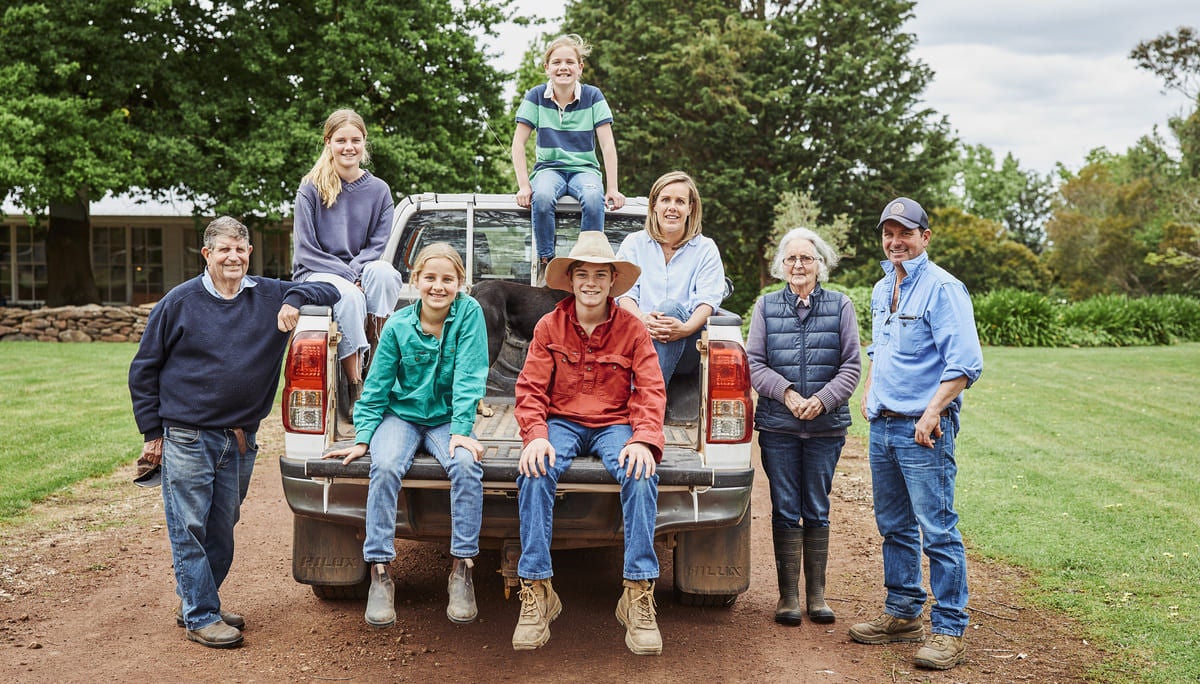
Succession planning is often treated as a standalone issue, yet it is a piece of the puzzle that interlocks with every aspect of running a farm business – from communication to financial analysis, strategic planning, marketing, leadership and innovation.
In this thought-leadership piece, we draw on the insights of Isobel Knight from Proagtive, who has been working with farming families in succession planning for more than 25 years. Her message is clear: to do succession well, it shouldn’t be done in isolation as all interlocking pieces of the business puzzle need to work together.
Not a One-Off Event
Succession planning is not a one-off event, it is a dynamic process that happens over time. “We need to be that strategic,” Isobel says, highlighting the importance of thinking about how we want to position our business even before any successors are on the ground.
At its core, succession is the transition of management, leadership and ownership – ideally in that order, if addressed early enough. As Isobel says, if you’re looking at transitioning into the business it is important to have an understanding of the business first.
The First Step: Getting Clear
Succession is about family, people and relationships. It starts with understanding your family’s values, wants and concerns, and being clear on what they are. It is also about recognising family dynamics and intergenerational differences, as that can be where the real “rub” lies.
So how do you start the process? While there can be a lot to consider and it can feel overwhelming, Isobel says it simply begins by becoming clear:
- As individuals, about what you aspire to.
What are your personal hopes, dreams and goals (short, medium and long-term)? And what are your aspirations for the business? - As a family coming together to understand your collective aspirations and needs, to get clear on the purpose of your business.
What is the purpose of your business? From a financial, production and environmental perspective? - Align your goals and plans with what your business can do.
There may be a gap between what you aspire to and what your business is currently achieving – but that’s ok – “it’s our challenge in business,” Isobel says.
But how can we strategically get ourselves from here to there, to facilitate that? Understanding that viability aspect is important, here.
Keeping in mind, that family businesses often have many overlapping needs: the needs of the family, the individuals, and the business – with the farm and assets in the middle. Separating these out and prioritising them is key, as there will be different priorities at different times, and certain needs may need to come before others.
“If we can get clear about our vision, we can envelope the heads and hearts of our people – that is what this is about,” Isobel says.
Creating the Forum: To Have the Conversations
To have these succession conversations, Isobel highlights the importance of creating an appropriate forum, which may include:
- Hold conversations face-to-face, with much of our communication conveyed through body language.
- Conflict is normal – but what sets us apart is how we handle it.
- Active listening, listening to understand is key.
- Separate business from personal chats – these are not everyday chats around the kitchen table. They are strategic meetings.
- Include all stakeholders, including off-farm partners.
As Isobel explains: “If something happens to someone tomorrow and their names are on any will that has anything to do with any asset that we own or control, they are stakeholders. And they need to be there.”
“We will accept nothing if we can’t understand it. If all stakeholders understand – whether they like it or not – they can accept when they understand. This is a critical part of succession planning,” she says.
Structure is Your Friend
Another key consideration in succession planning is the formalisation of roles and responsibilities in the decision-making process. And this needs to happen at the entry point – when people come into the business.
“We need to think of structure as our friend,” Isobel says, and develop a practical, sensible structure that lays out:
- Who makes decisions?
- Who does what, and when?
- How is this going to change as transition occurs?
Isobel also suggests formal documented policies these could include job descriptions (including for family members), reward and pay systems and business policies around housing, company vehicles, expense accounts, withdrawals of capital and leave.
Then, she says, it is understanding your business structure and the legal and tax considerations. Isobel notes: “we often expect this structural aspect to come first, when in fact it comes when we know what we are working towards.” So, asking questions around:
- Is our structure aligned with our goals?
- What does all of this mean legally for me, our family and our farm business?
Isobel says it also includes understanding the role of professionals in the succession planning process. However, remembering that the succession process needs to be driven by the family.
“Family needs to drive the process, but specialists such as solicitors, succession planners, accountants, bankers, agricultural consultants, business valuers and financial planners can come in as we are making decisions and implementing our decisions. It is a team approach.”
At Rabobank, we’re committed to helping you and your business grow stronger with every season. This Thought Leadership series draws on the insights from our Executive Development Program, designed to equip farmers with practical tools and strategic insights to elevate their operations.
RaboElevate – your gateway to agri knowledge, skills networks and experiences to support confident decision making and guide your growth path ahead.